

Why Boston is the most European city in America
Four years ago, I Googled a simple question: What is the most European city in America? The answer was clear — Boston. So I booked a trip to see what Boston was all about. Not long after, I moved. Looking back, that decision changed my life.
While no American city can fully replicate Europe, Boston comes closer than any place I've experienced. It isn't just the cobblestone streets or historic buildings. It's something deeper. A feeling. A way of moving through the world.

Learning to linger
I used to find the concept of slow living deeply irritating.
It felt soft. Indulgent. A philosophy invented by people who had never had a deadline, a debt, or a driving need to prove something. I was the kind of person who moved fast, worked hard, and measured progress in accomplishments. Slowness was not a lifestyle. It was a failure of ambition.
I was wrong. But it took my body making a different argument before I was willing to admit it.

Boston day trip — Newport, Rhode Island
Newport is dramatic in all the ways you would expect — massive mansions, Atlantic coastline, old money everywhere.What surprised me was how relaxed it feels anyway.
People walk around in sweatshirts carrying iced coffee past buildings that look like minor European palaces. No one seems especially impressed by any of it anymore.
Which, oddly, makes the whole place more charming.
On charm, patina, and being “too much”
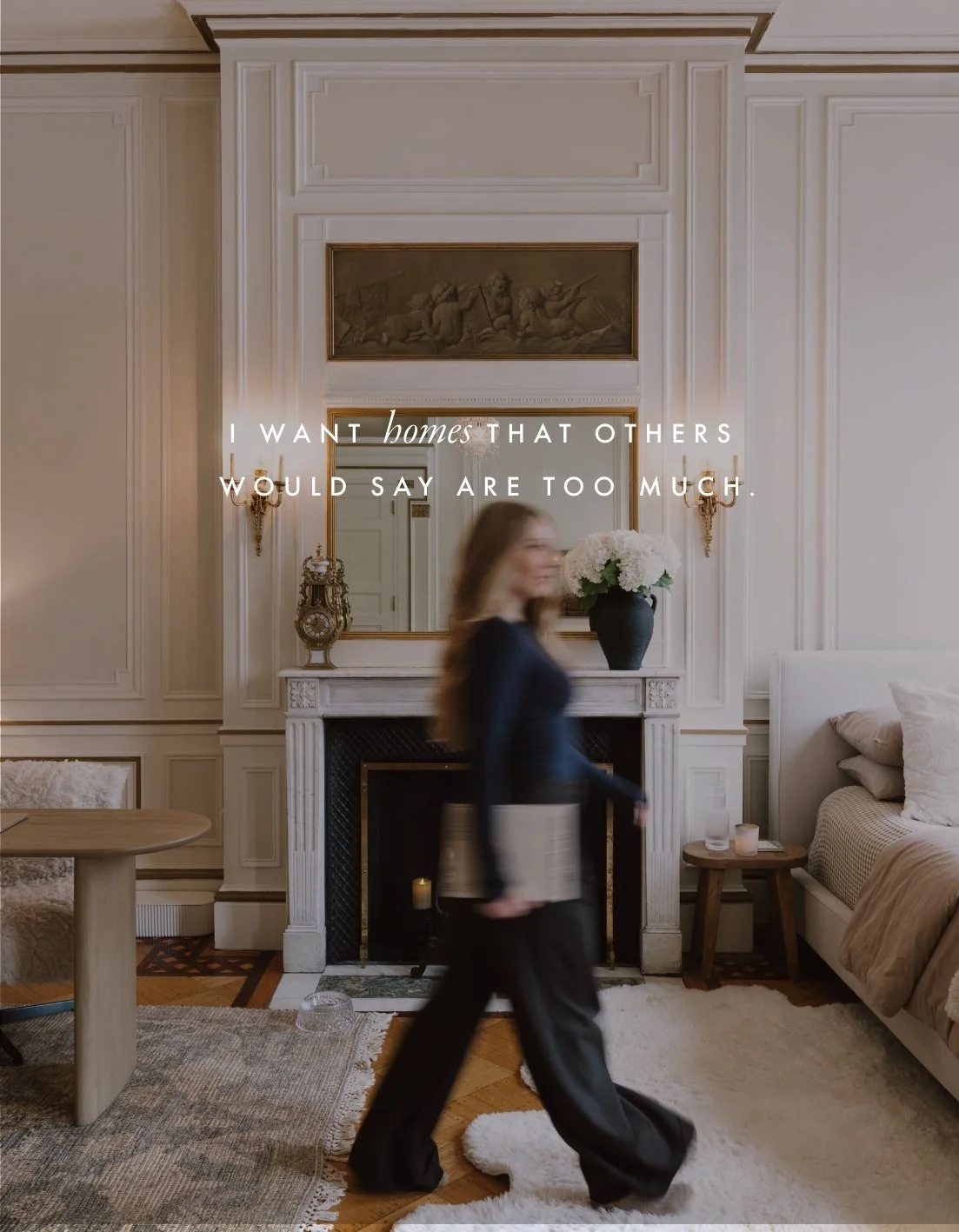
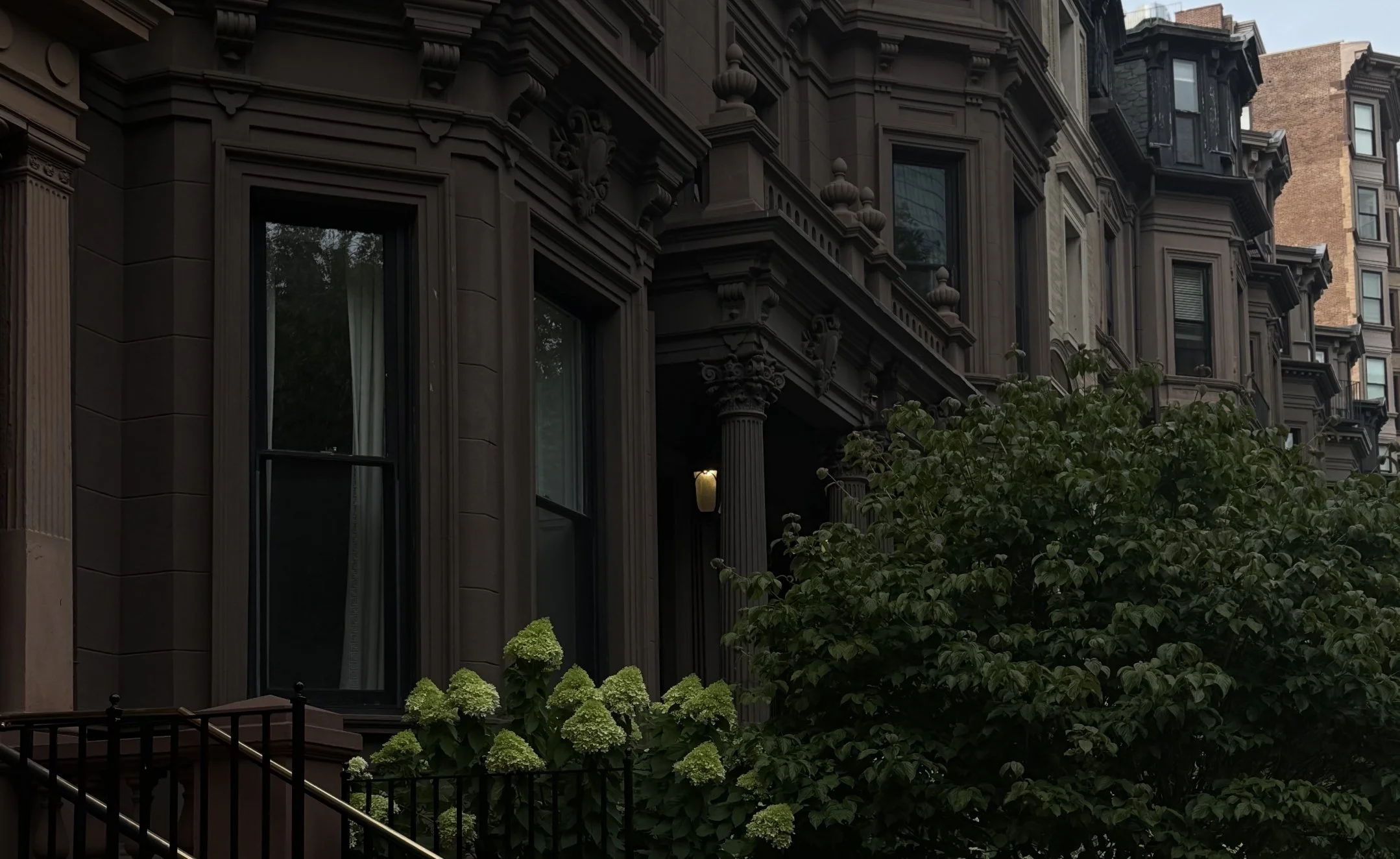
Recently, a historic Gilded Age mansion near me was purchased and completely gutted. Before the sale, I remember hearing someone describe the original interiors as “too much work” to preserve.
And maybe practically speaking, they were.
But every time I walk past it now and look through the now barren windows, I feel a strange kind of grief. Because what was removed was not just woodwork or marble or old architectural detail. It was texture. Warmth. History. Irreplaceable soul. Evidence of a life fully lived before ours.

Boston—the city that brought me back to life
About four years ago, I was living in Nashville and found myself wanting a change I could not quite explain. I started craving something different — more walkability, more history, more texture, more beauty woven into everyday life. I Googled: “most European city in America.”
Which is, admittedly, a slightly dramatic way to choose where to move. But also, in hindsight, one of the best decisions I have ever made.

The life of an aesthete
There is now an entire field of research called neuroaesthetics dedicated to studying how beauty, environment, art, architecture, texture, light, and spatial experience affect the human brain and nervous system.
In other words: beauty changes us.
Not metaphorically. Biologically.
Against sterility in modern interiors
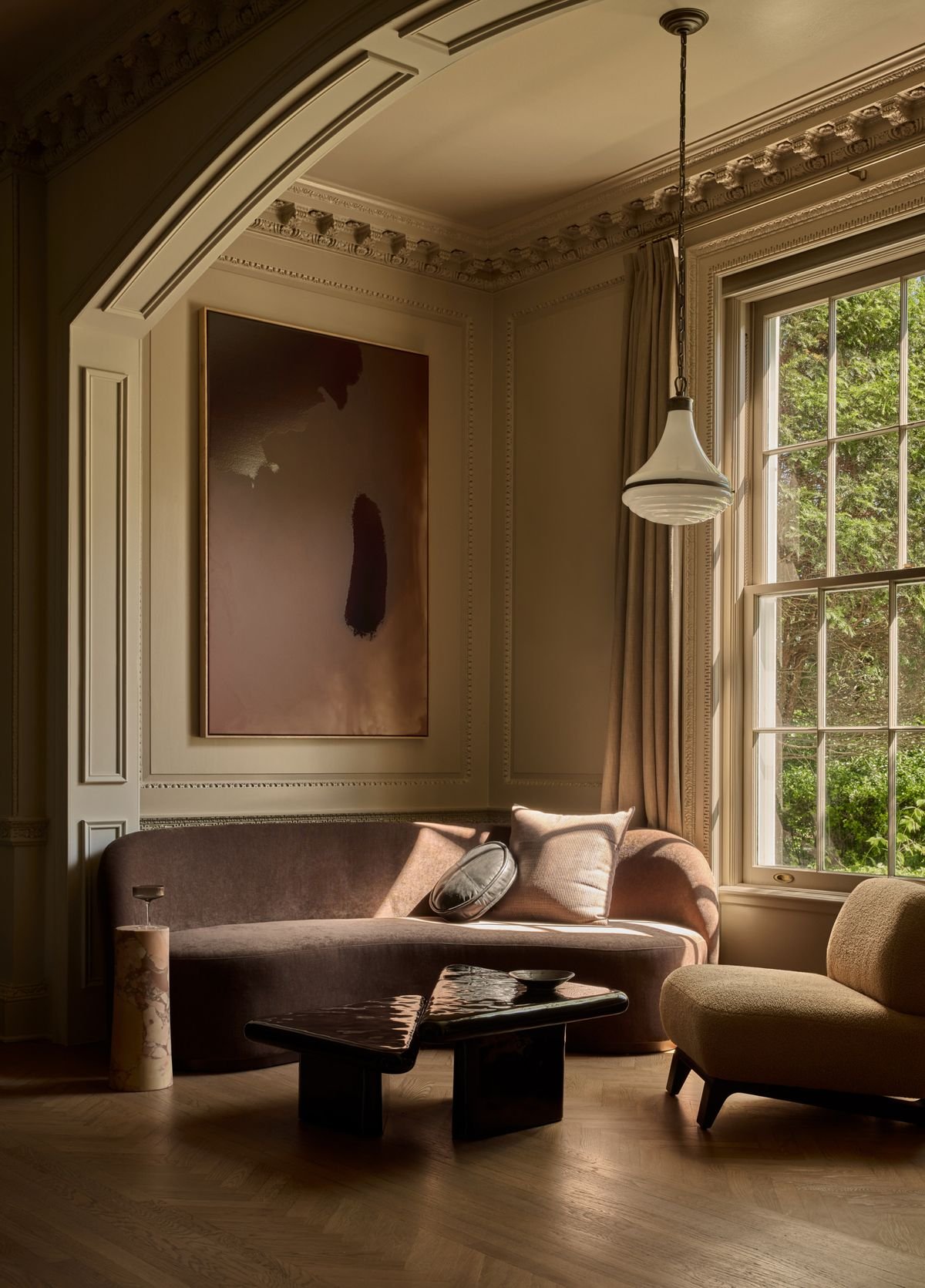
The most interesting interiors tend to have tension in them. Old and new materials in conversation. Softness against structure. Objects that were not chosen from the same moment or the same source.
When everything is too consistent, the space can start to feel detached from time. And without a sense of time, it becomes harder to feel rooted in it.
Beauty should enhance life — not replace it
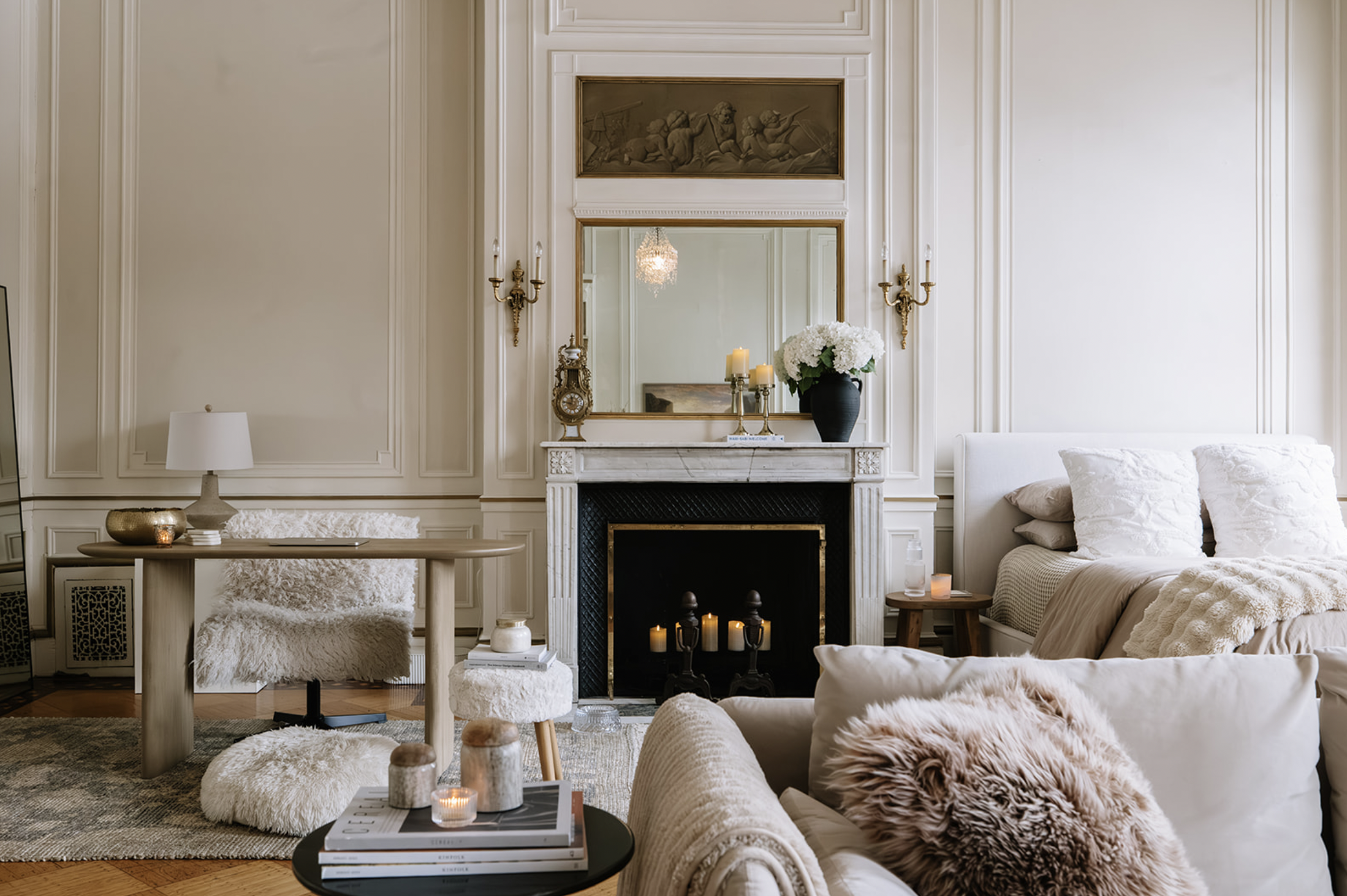
I think often about what we have started to confuse: beauty as a substitute for living, rather than a companion to it. Somewhere along the way, homes became performances — surfaces optimized for appearance, for restraint, for control. Spaces designed to be seen before they are felt.
But beauty, at its best, was never meant to replace life. It was meant to hold it.
A beautiful home should do more than impress the eye. It should soften the body. It should slow the pace of thought. It should make you exhale without realizing why.
What we’re really looking for in a home
A good home is not just visually resolved. It is behaviorally supportive.
It changes how you move through your day without asking you to think about it. You stay in the kitchen longer. You put things down and don’t rush to clear them immediately. You invite people over without reorganizing your entire life first.
That kind of ease is not the result of perfection. It’s usually the result of tolerance — for imperfection, for layering, for things not being completely finished or overly controlled.
Ave ethos
Ave was born from a deeply personal understanding that it is possible to move through life disconnected — from beauty, from presence, from the texture of ordinary days — and not even realize what you're missing. And from the equally personal discovery that home, and the intentional life built within it, has the power to bring you back to yourself.
That is what Ave believes. Not that beautiful homes are a luxury. But that they are a necessity. A form of self-respect. A beacon, a place of solace. Home is a daily act of meaning.